










Smart POS: what it really is, and why it's not just a trend
A touchscreen alone doesn't make a terminal "smart". Here's what actually makes it different from a traditional POS.
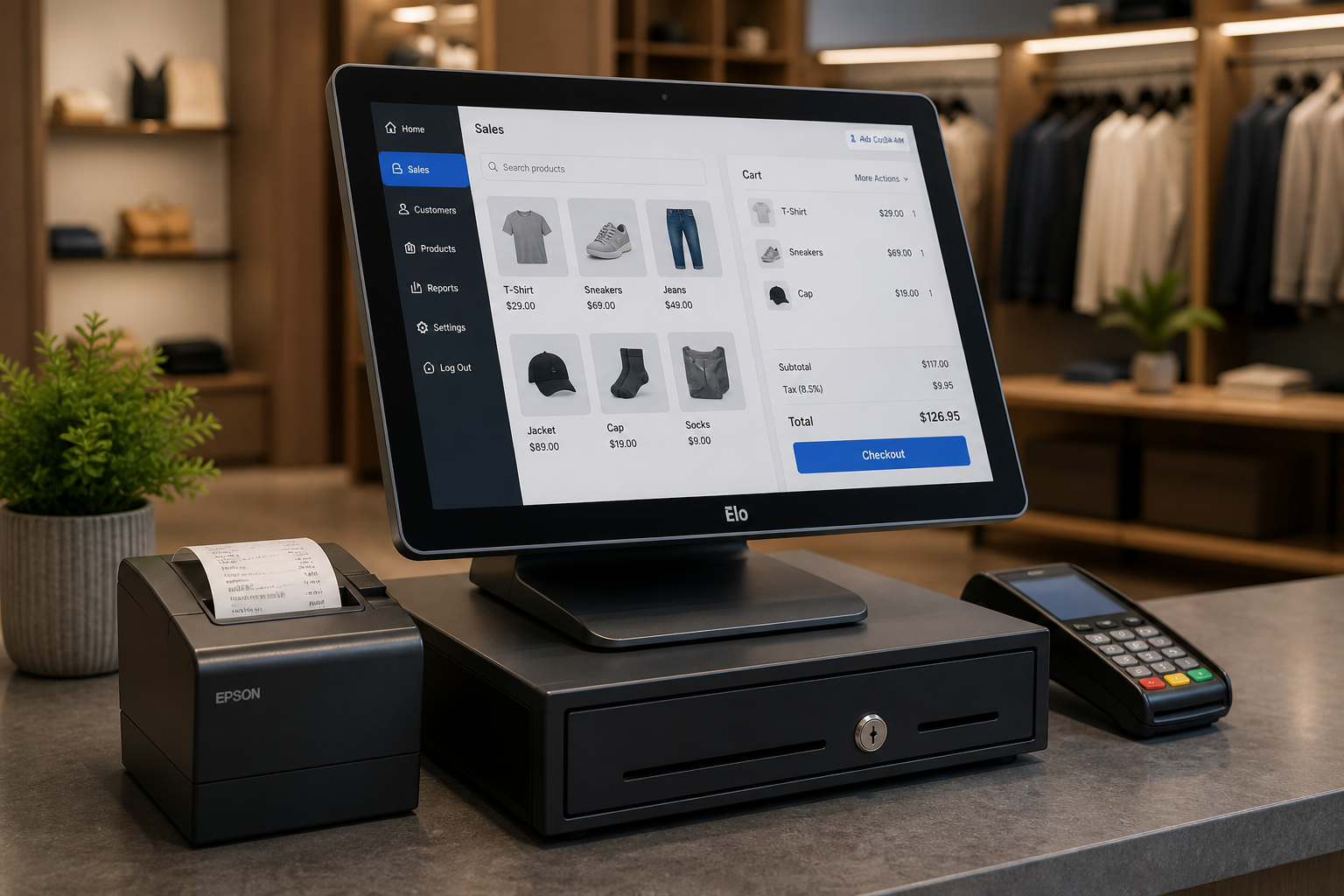
"Smart" is an overused word in every industry, and payments are no exception. But behind the label there's a real technical difference worth understanding before you choose: it's not just cosmetic, it's a different operating philosophy. Here's what really changes compared to a traditional terminal.
The technical difference that matters
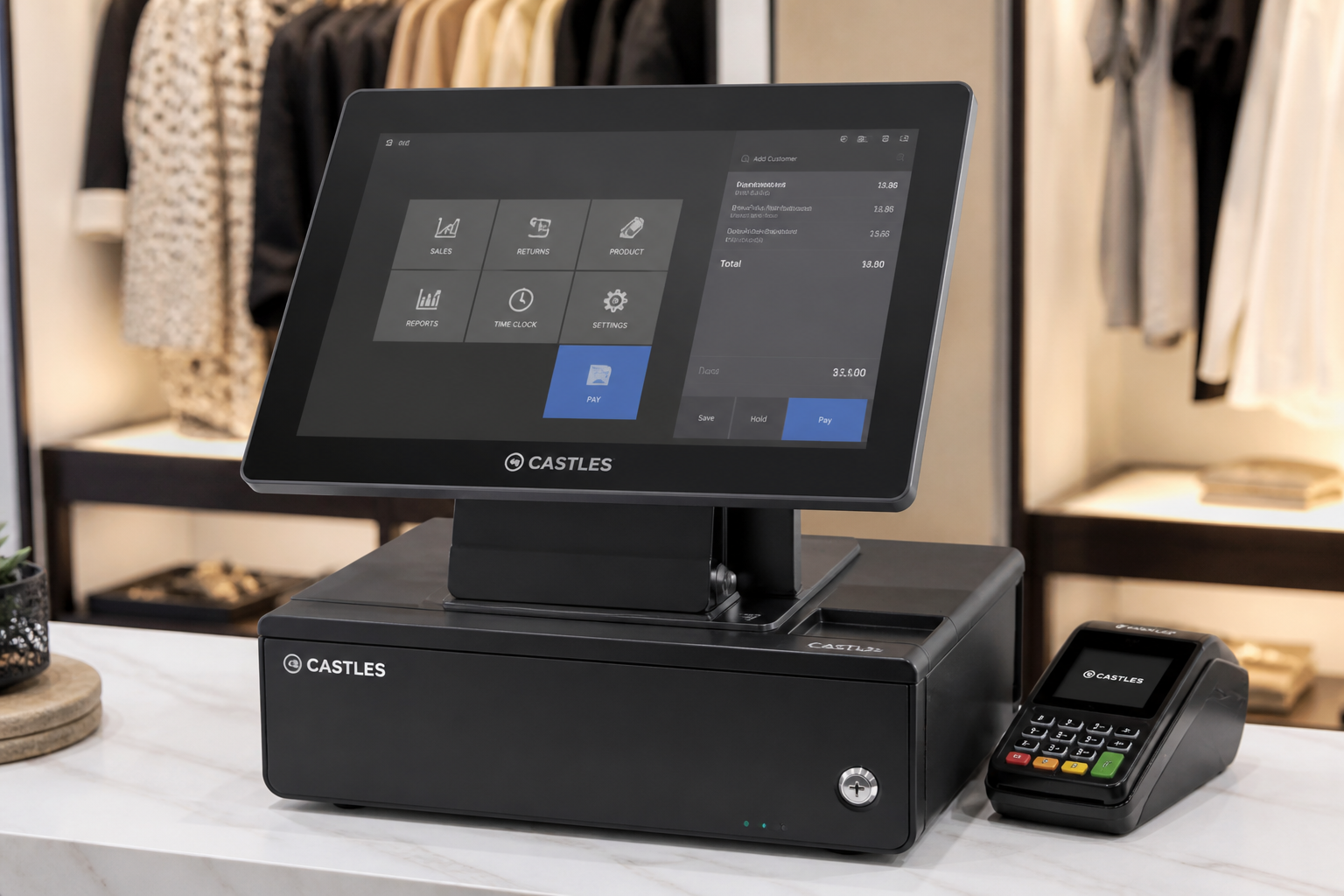
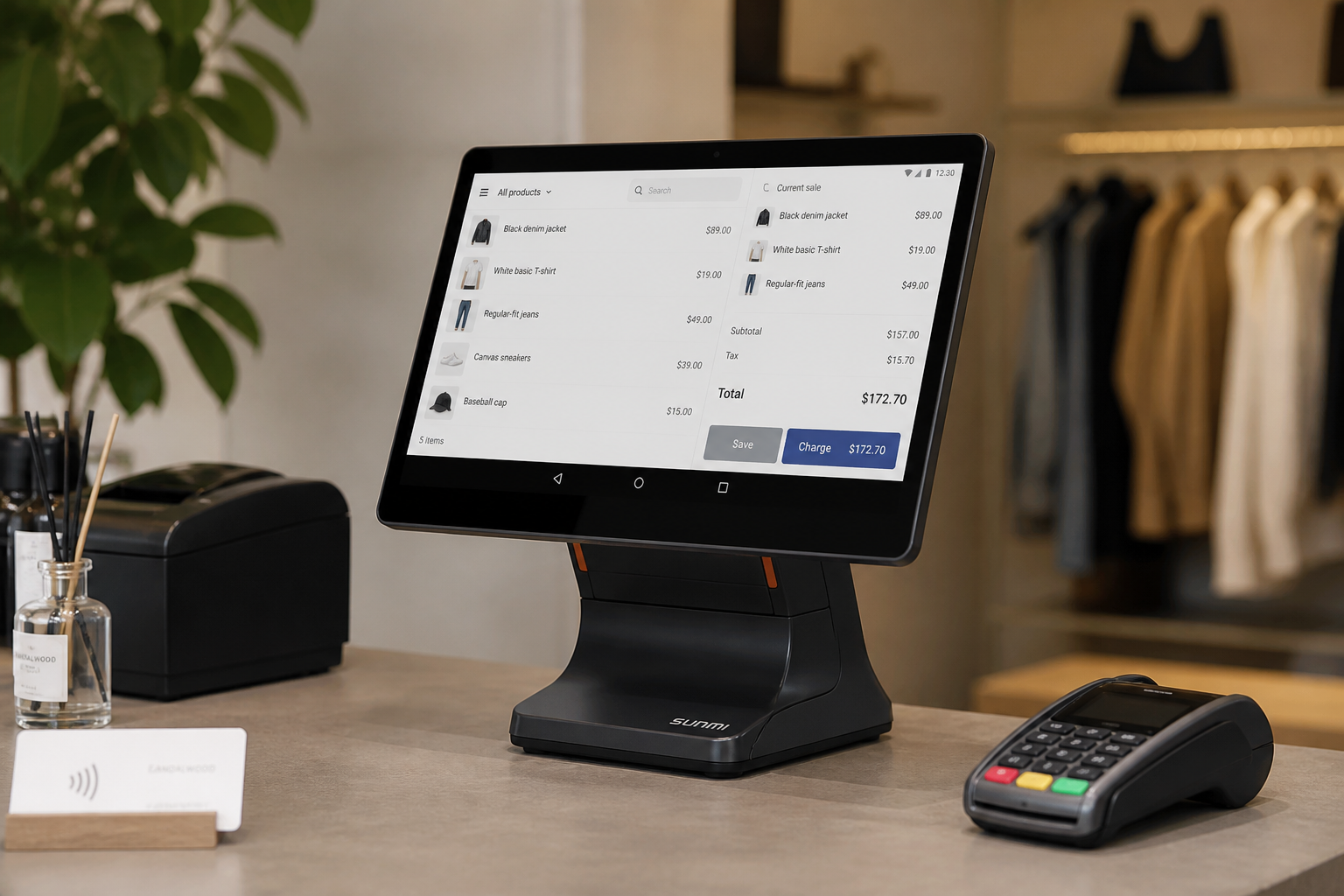
A traditional POS has closed software, written by the manufacturer to do just one thing: process payments. A smart POS runs on an open operating system (usually Android) on which you can install additional apps.
This means a smart POS can also become a till, a simplified inventory tool, or a customer loyalty tool, all on the same device.
What you can do more with a smart POS
Install third-party apps: order management, loyalty programmes, e-commerce integration, advanced sales reporting.
Update features over time without changing hardware: a software update can add functions the terminal didn't have at the time of purchase.
Customise the interface for your brand, important above all for chains and franchises that want a consistent experience across every outlet.
When a traditional POS is still enough
If all you need is to take payments, without extra apps or integrations, a traditional terminal is simpler to use and often cheaper.
An open operating system requires more attention to security and updates: if nobody handles that for you, a closed terminal is less risky to manage over time.
- A smart POS runs on an open operating system (usually Android); a traditional one doesn't.
- The real advantage is the ability to install extra apps for management, loyalty, and reporting.
- An open system requires more attention to updates and security over time.
- If you just need to take payments, without integrations, a traditional terminal stays the simplest choice.
- Choosing a smart POS just for the looks, without actually using its extra features.
- Neglecting software updates on an open system: it's a real security risk.
- Paying more for features you'll never actually use in your day-to-day business.
Frequently asked questions
Both must meet the same legally required security standards (PCI certification). An open system has a potentially larger attack surface, but regular updates keep the risk manageable.
No, usually only apps certified by the terminal manufacturer or the payment processor, for security and regulatory compliance reasons.
Generally yes, both as a purchase/rental price and as a monthly fee, but the cost is justified if you actually use the extra software features.
A POS that grows with your business
Daevon's smart terminals integrate with your till system and your e-commerce, all on one payment platform.