










Cheap POS terminal: how to save without buying a problem
The cheapest POS isn't always the one with the lowest price tag. It's the one that costs you the least over the year.
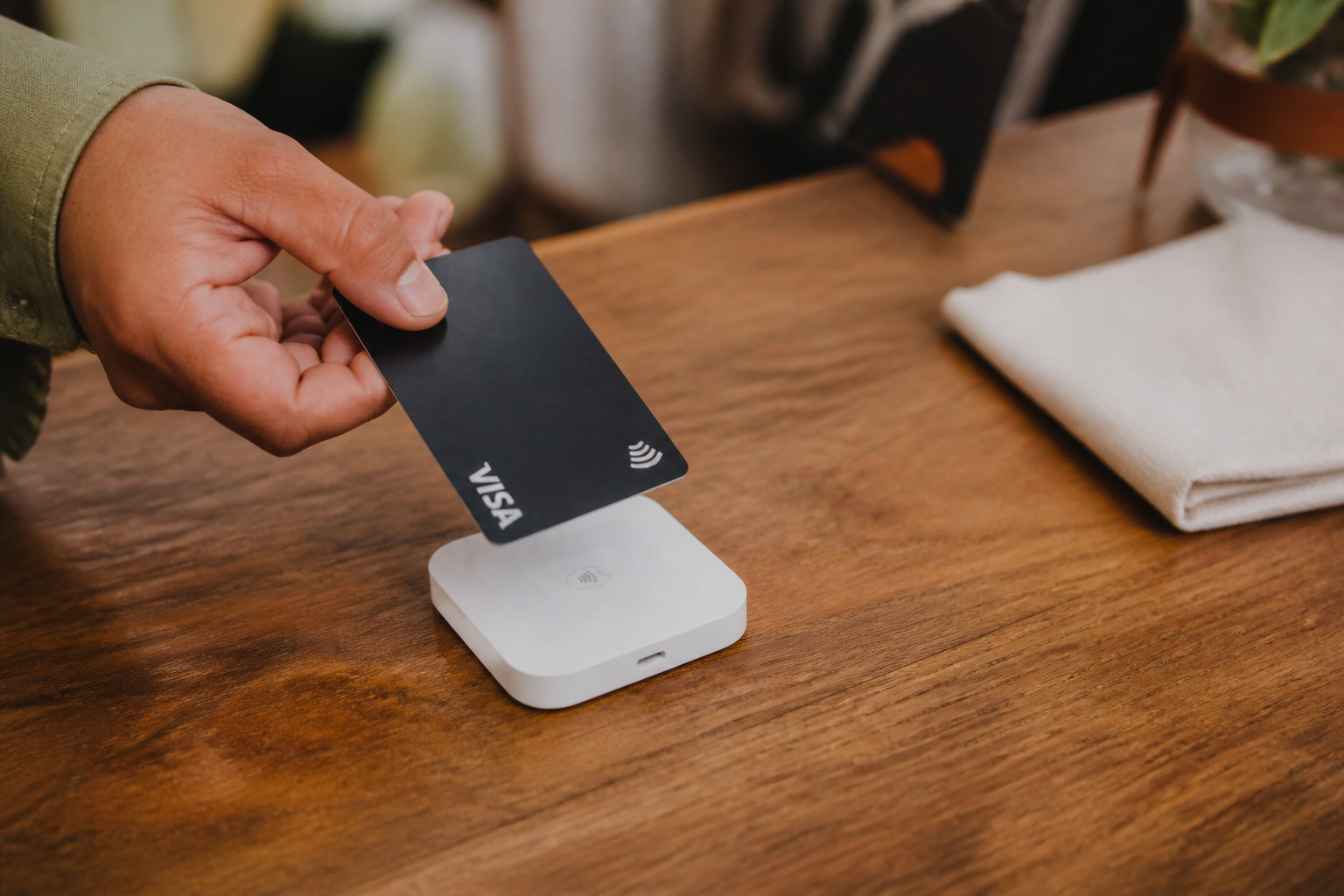
You have a tight budget, and "cheap" feels like the only compass for choosing a POS. We get the reasoning, but it's incomplete: a low-price terminal with high fees and no support ends up costing more than one that's slightly pricier but efficient. Here's how to actually save, not just on paper.
What really drives the total cost
The terminal's price (purchase or fee) is just one line item. Per-transaction commissions, multiplied by your monthly volumes, almost always weigh more over time.
A cheap terminal with unstable connectivity makes you lose sales at peak moments: that cost never shows up on the invoice, but it exists.
Where you can save without risk
If you have low, predictable volumes, a mobile POS or a POS app costs much less than a dedicated fixed terminal, and for many micro-businesses it's more than enough.
Short-term rental, with no multi-year lock-in, avoids being tied to a contract if your business changes shape over time.
Comparing at least three providers on the same typical month of transactions is free and takes twenty minutes: it's the simplest saving there is.
Where saving on price gets expensive
Non-existent or email-only customer support: if your POS breaks down during Saturday's peak hours, an hour waiting on a ticket can cost more than the price difference with a better provider.
Low-quality hardware with higher failure rates: the time you lose dealing with a terminal that keeps breaking down is never free.
Rigid contracts that lock you in for years: if you choose "cheap" today and your business grows, you might get stuck in a plan that no longer fits.
- Total cost matters more than the list price: calculate it annually with your real volumes.
- For low volumes, a mobile POS is almost always the cheapest option overall.
- Poor customer support is a hidden cost that shows up at the worst moments.
- Avoid long contract commitments if your business is still evolving.
- Choosing the lowest price without checking the per-transaction commissions.
- Ignoring support quality when comparing providers.
- Signing long contracts to save a few euros a month today.
Frequently asked questions
For low, unpredictable volumes, a POS app or mobile POS with no fixed fee is almost always the option with the lowest initial financial risk.
It depends on your time horizon: if you're sure you'll use it for years, buying can make sense. If your business is testing the market or growing fast, renting gives more flexibility.
Security standards (PCI certification, data encryption) are legally required for every terminal on the market, regardless of price. The price difference is mostly about hardware, support, and features.
The right POS at the right price, no surprises
Daevon offers scalable POS solutions, from mobile for those starting out to fixed terminals for growing businesses, always with transparent fees.