










PayPal alternatives: 5 reasons merchants are switching
It's not that PayPal got worse. It's that the rest of the market got better, fast.
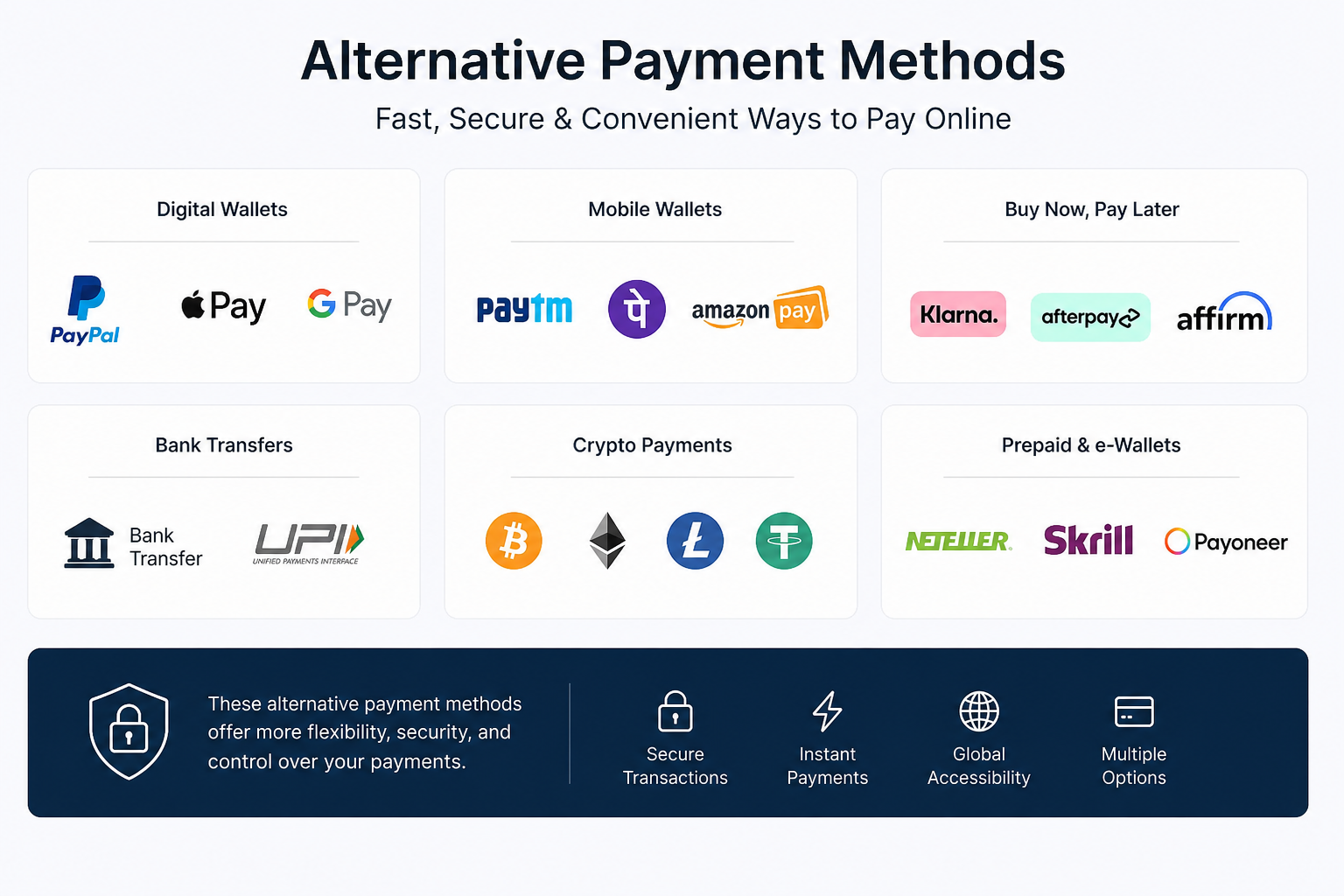
PayPal made online payments familiar to millions of people, and it's still a name that inspires instant trust with the end customer. But "familiar to the customer" and "convenient for the merchant" are two different things. Here are five concrete reasons it's worth looking at alternatives, before renewing your contract out of habit.
1. Fees aren't always the most competitive
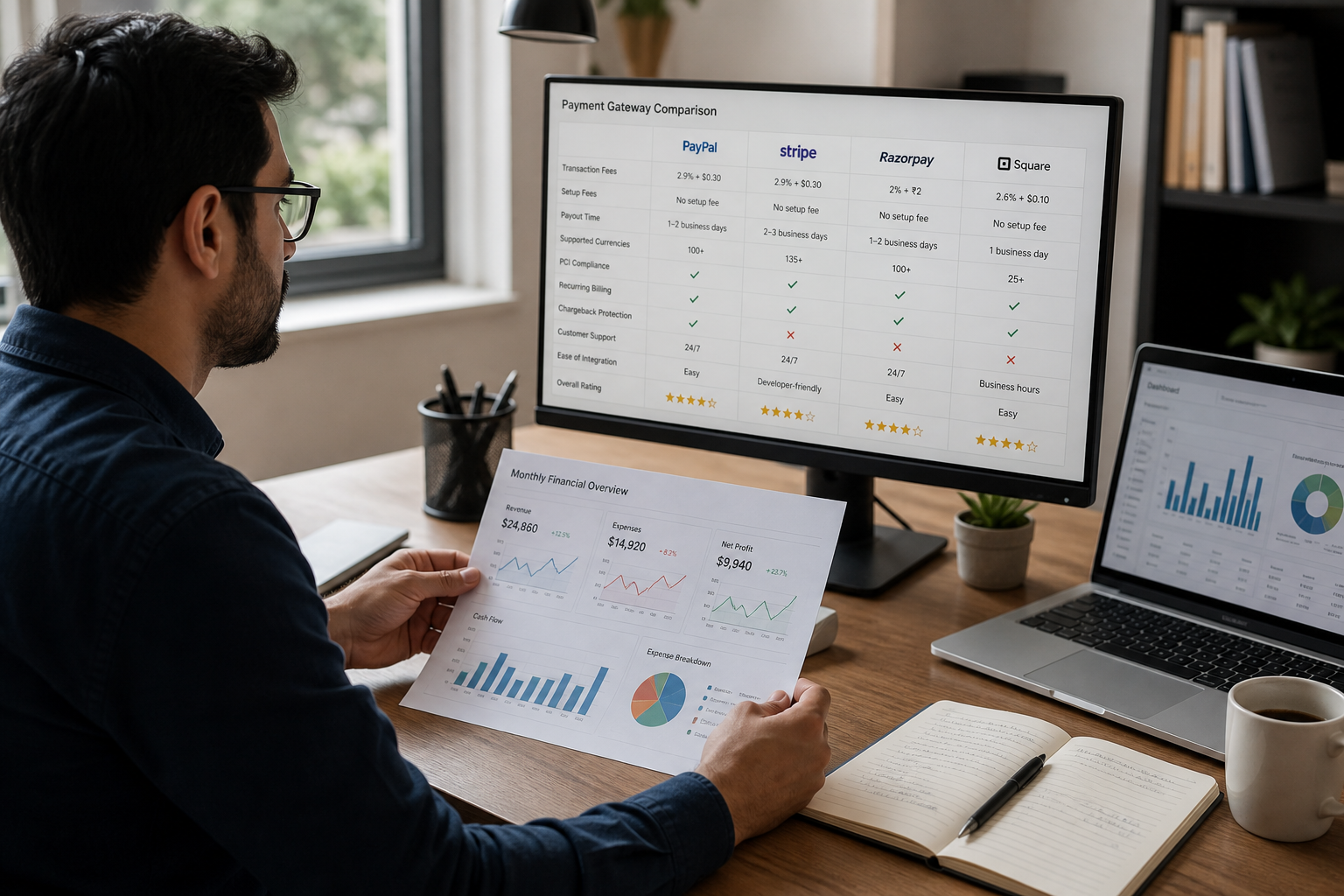
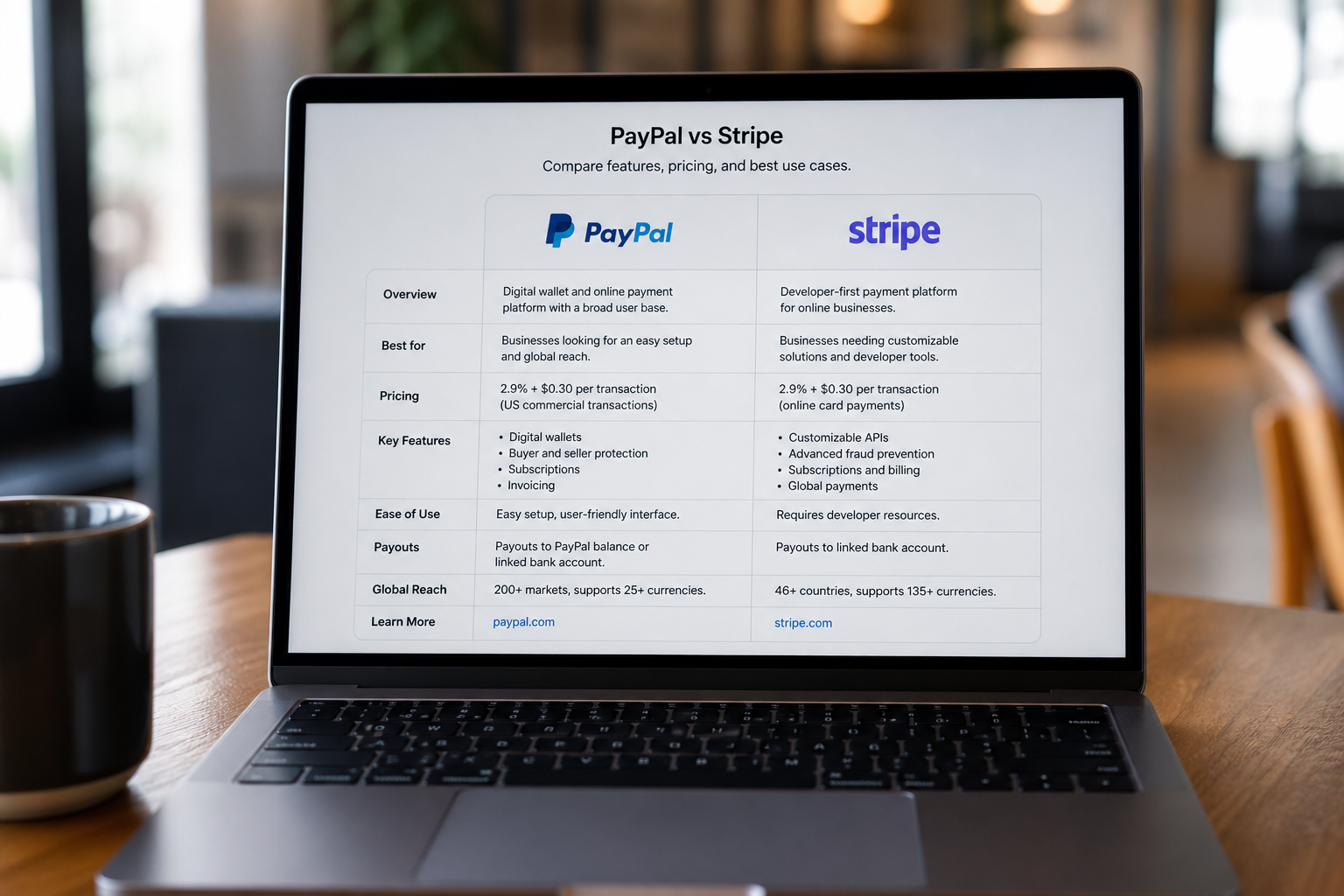
At medium-to-high volumes, many providers specialised in e-commerce offer lower fees than PayPal's standard rate, especially if you negotiate custom terms.
2. Account hold risk is a real problem
Several merchants report temporary fund holds from automated risk checks, with unlock times that can last weeks: a serious cash-flow problem for a small business.
3. Direct customer support is often limited
For an urgent transaction issue, having a direct phone contact makes a huge difference compared to a generic ticketing system.
4. There's no integration with a physical POS
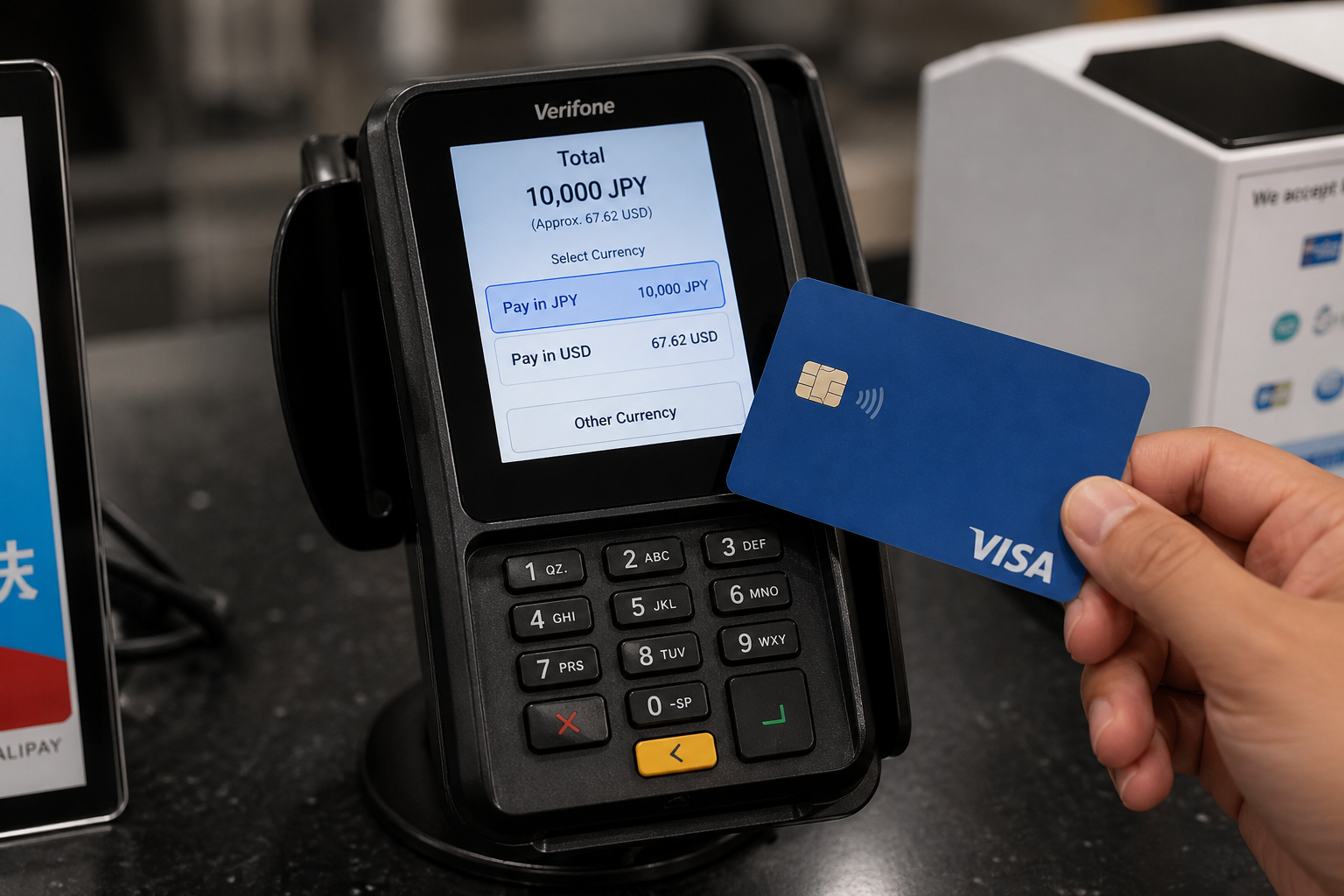
If you also have a physical shop, a provider that manages online and POS under the same account drastically simplifies bookkeeping and reconciliation.
5. The checkout brand isn't always an advantage
Redirecting the customer away from your site to complete payment (as PayPal often requires) can interrupt the purchase experience: an integrated on-site checkout reduces this friction.
- PayPal's fees aren't always the most competitive at medium-to-high volumes.
- Temporary fund holds are a real cash-flow risk to know about before depending solely on this provider.
- A provider that integrates online payments and a physical POS simplifies bookkeeping for those with both channels.
- An integrated on-site checkout, with no external redirects, reduces friction in the purchase.
- Depending on a single payment provider with no backup plan in case of an account hold.
- Never negotiating fees as your sales volumes grow.
- Ignoring the impact of external redirects on the customer's purchase experience.
Frequently asked questions
Yes, many customers prefer it for its familiarity and perceived security. The point isn't to remove it, but to avoid depending exclusively on a single provider for your main payments.
Yes, many e-commerce platforms support multiple payment methods in parallel, letting the customer choose at checkout.
With a planned migration (a transition period with both systems active) the risk is minimal. Just avoid disabling the old system before the new one is fully tested.
An integrated checkout, with no external redirects
With Daevon, the customer pays directly on your site, and you manage online and physical POS under the same account.