










mPOS: what it is, how it works, and when it beats a classic POS
The acronym sounds technical, the concept is dead simple: a card reader the size of a keychain.
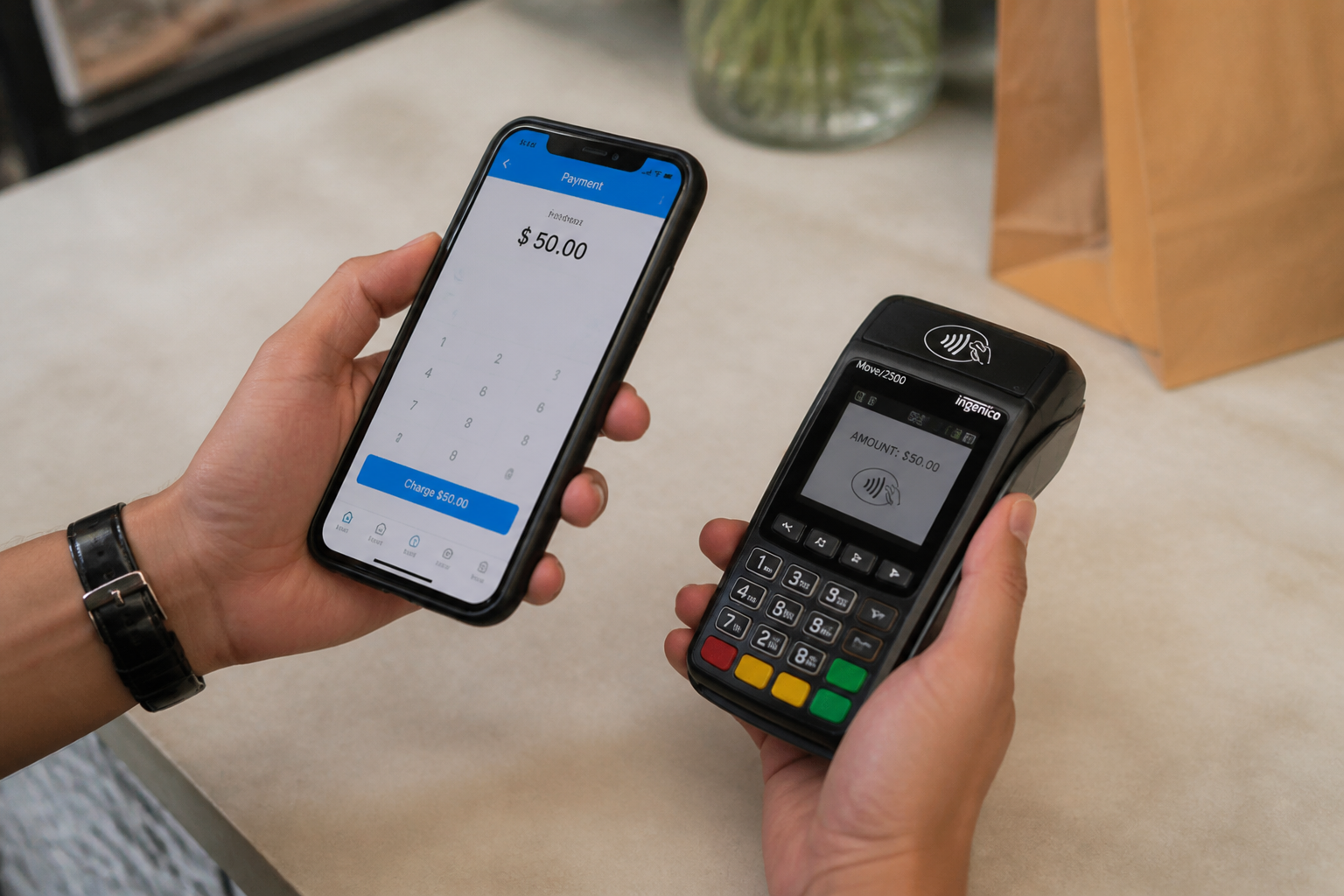
mPOS stands for "mobile point of sale", but behind the technical term is a very practical idea: a small device, often barely bigger than a lighter, that connects to a smartphone or tablet to accept card payments anywhere. Let's look at how it actually works and when it makes sense to go this route.
How an mPOS works
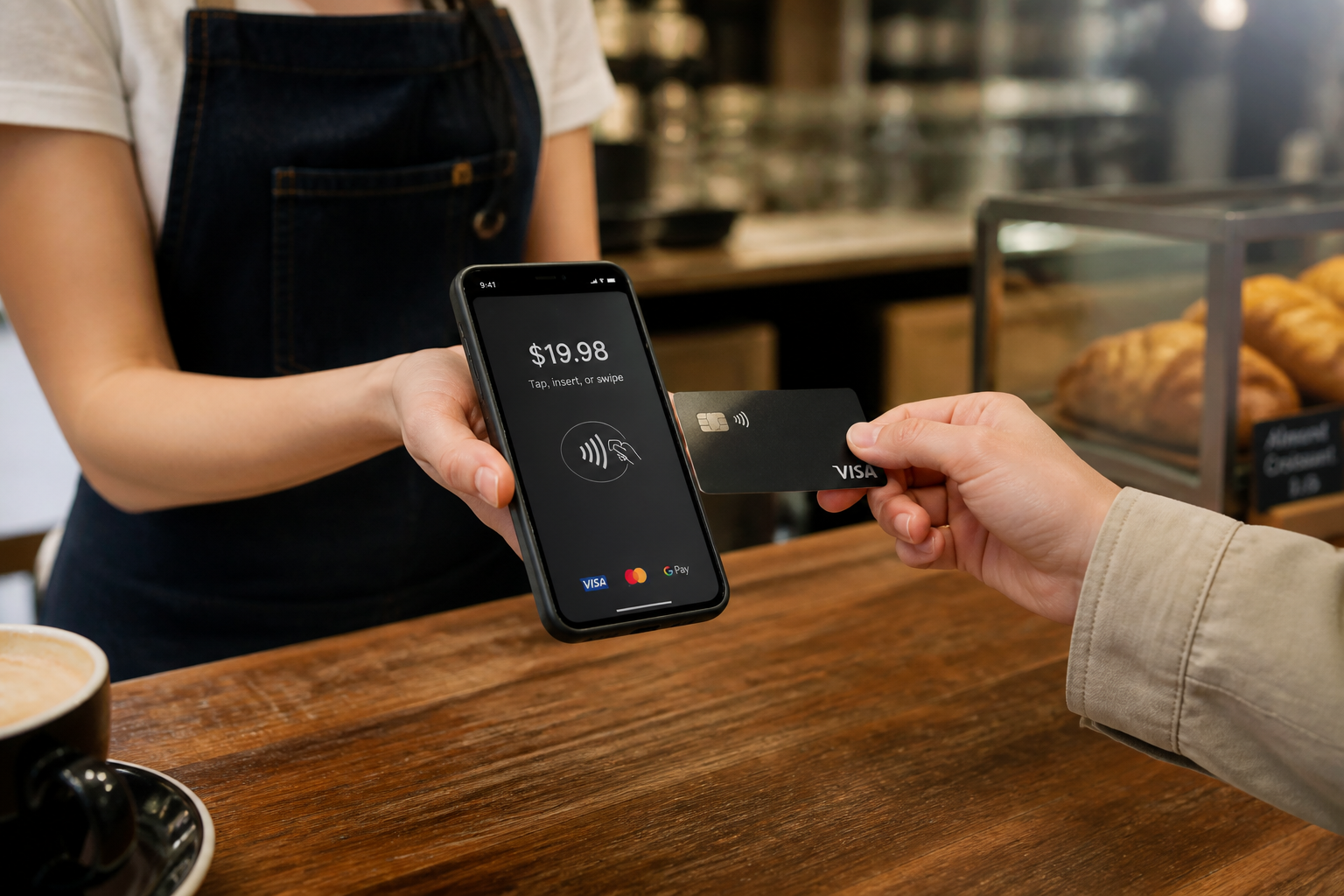
The small mPOS device reads the card (chip, magnetic stripe, or contactless) and transmits the encrypted data via Bluetooth to an app installed on a smartphone or tablet, which manages the entire transaction.
The smartphone provides the internet connection and the user interface, while the mPOS device only handles the secure card reading.
mPOS vs mobile POS: the confusing difference
A mobile POS is a complete, standalone device, with its own screen and battery. An mPOS is instead an accessory that depends on the operator's smartphone to function.
An mPOS is generally cheaper and more compact, but it depends on the battery and connection of the phone it's paired with.
When choosing an mPOS really makes sense
If you already have a business smartphone you use for work anyway, adding a small mPOS reader is the cheapest way to start accepting cards.
For occasional sellers or businesses with very low volumes, the low entry cost makes an mPOS a low-risk choice to test demand before investing in more expensive hardware.
- An mPOS is a small card reader that depends on a smartphone or tablet to function.
- Unlike a full mobile POS, it has no screen or independent battery of its own.
- It's the cheapest solution for those who already have a business smartphone and want to start accepting cards.
- For high volumes and intensive daily use, a dedicated mobile POS is often more reliable over time.
- Confusing mPOS and mobile POS, thinking they're the same type of device.
- Using an mPOS with an old smartphone or an unreliable battery for heavy daily use.
- Underestimating the dependence on the connected phone's internet connection.
Frequently asked questions
Generally yes, as long as the operating system is supported by the provider's app (Android or iOS) and the phone supports Bluetooth to connect to the reader.
It's generally the cheapest hardware option among mobile payment solutions, often available for free with certain commission-based plans.
Yes, if certified to the required security standards (PCI): card data is always encrypted during transmission, regardless of the device's size.
Start accepting cards with minimal investment
Daevon's mPOS connects to your smartphone in minutes, with transparent fees from the very first transaction.