










Online business account: how to choose the right one without getting caught out by fees
The "free" account is rarely actually free. Here's what to check before you sign.

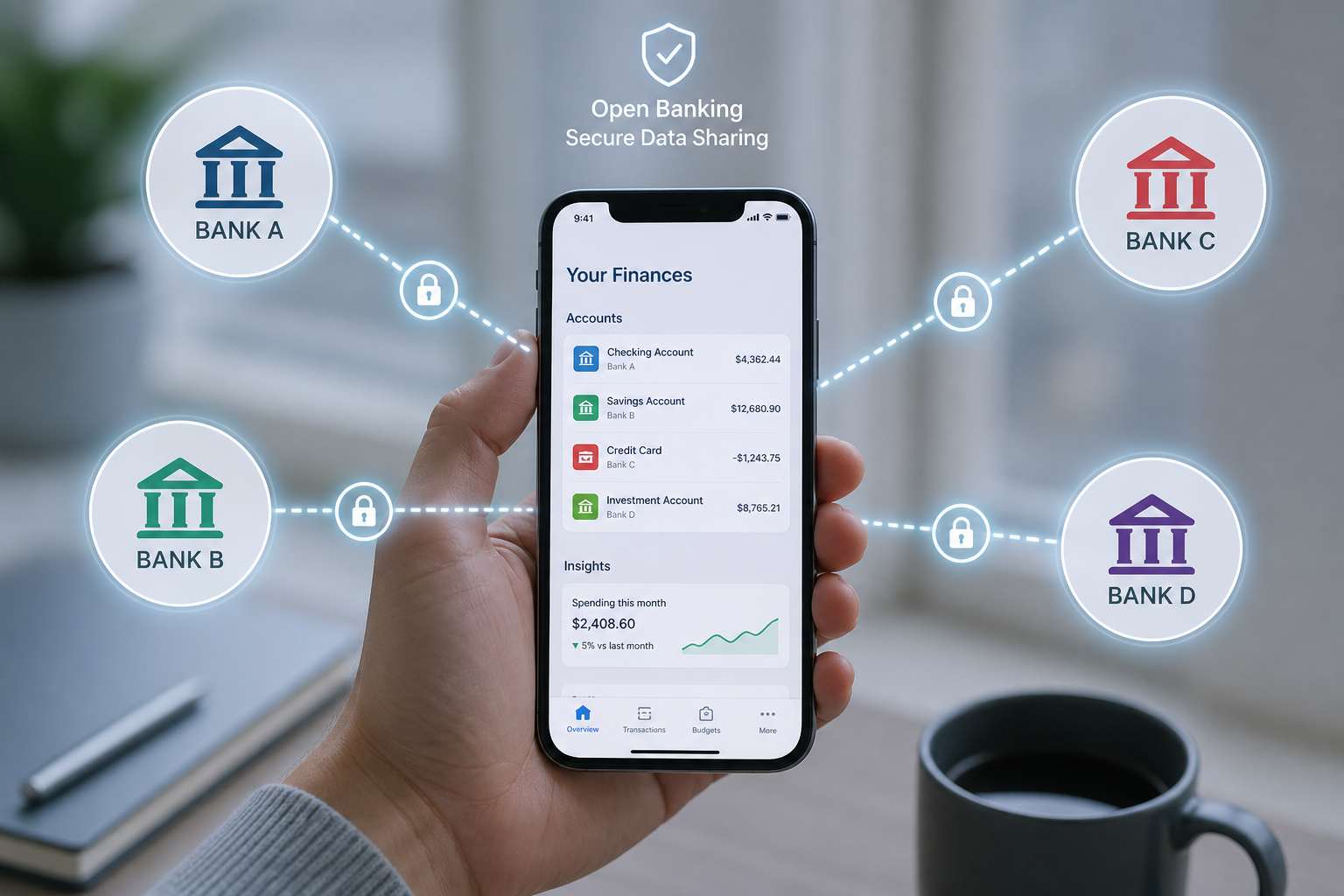
You can open a business account in ten minutes from an app, no branch, no appointment. Convenient. But how easy it is to open says nothing about what it will cost you every day: transfers, withdrawals, foreign currency, integration with your payouts. Here's how to compare two business accounts without falling for the "zero fee" headline that gets recouped elsewhere.
Why the monthly fee is only half the story
A zero-fee account that charges €1.50 per SEPA transfer and limits free withdrawals to two a month can cost you more than a €9/month account with no fees on basic operations, if you move money often.
Calculate the annual cost using your real volumes: how many transfers you make a month, how many withdrawals, how many foreign currency operations. Only then does the true cost become visible.
What to look at beyond the price
Settlement times: some business accounts credit POS and e-commerce payouts in T+2 business days, others offer faster settlement. If you work on tight margins, that difference affects your cash flow.
Integration with your POS or payment gateway: an account that talks directly to whoever processes your payments saves you hours of manual reconciliation every month.
Deposit caps and operating limits: many fintech accounts have thresholds that a growing business hits quickly, leading to sudden blocks or document requests.
What the market is telling you
The average advertising cost (CPC) for this search is among the highest in the entire payments sector: it means the big neobanks know exactly how valuable a business customer is, and invest heavily in acquiring them.
That's not a problem for you — it's information: the market is competitive, so you have negotiating power. Don't accept the first offer without comparing at least two alternatives.
How to compare in 20 minutes
Grab a spreadsheet and simulate a typical month for your business: number of incoming and outgoing transfers, cash withdrawals, any foreign currency payments.
Apply each candidate account's pricing to that typical month, then multiply by 12.
Check the support quality too: a business account with no phone number to call when your account gets blocked is a risk, not a minor detail.
- The monthly fee is just one line item: check transfers, withdrawals, and foreign currency operations too.
- An account integrated with your POS/e-commerce payouts cuts down on manual reconciliation work.
- Settlement times affect your cash flow as much as the fees do.
- Always compare at least two accounts on the same typical month, not on the advertised rate alone.
- Choosing based only on "zero fee" without checking the other cost items.
- Ignoring operating limits, then discovering them when your business grows and the account gets blocked.
- Not checking whether real phone support exists for urgent issues.
Frequently asked questions
Yes, if the provider is authorised and regulated (a payment institution, e-money institution, or supervised bank). Always check the operator is listed in the official registers before depositing funds.
With many providers, yes: payouts are credited automatically to the linked account, often faster than with a traditional, non-integrated bank account.
With the newer fintech providers, often less than a business day if you already have all your company documents ready in digital form.
An account built for businesses that get paid every day
See how Daevon connects your account, POS, and e-commerce in one platform, with clear fees from the very first euro.