










Credit card payments: how they really work (and what they cost you)
The fee you see in your contract is only part of the story. Here's what actually happens behind every transaction.

Every time a customer pays by credit card, several parties move behind the scenes in a matter of seconds: your payment provider, the card network, the customer's bank. Understanding this process isn't an academic exercise: it helps you understand why credit card fees are almost always higher than debit ones, and where you can actually negotiate.
What happens from the click to the funds landing
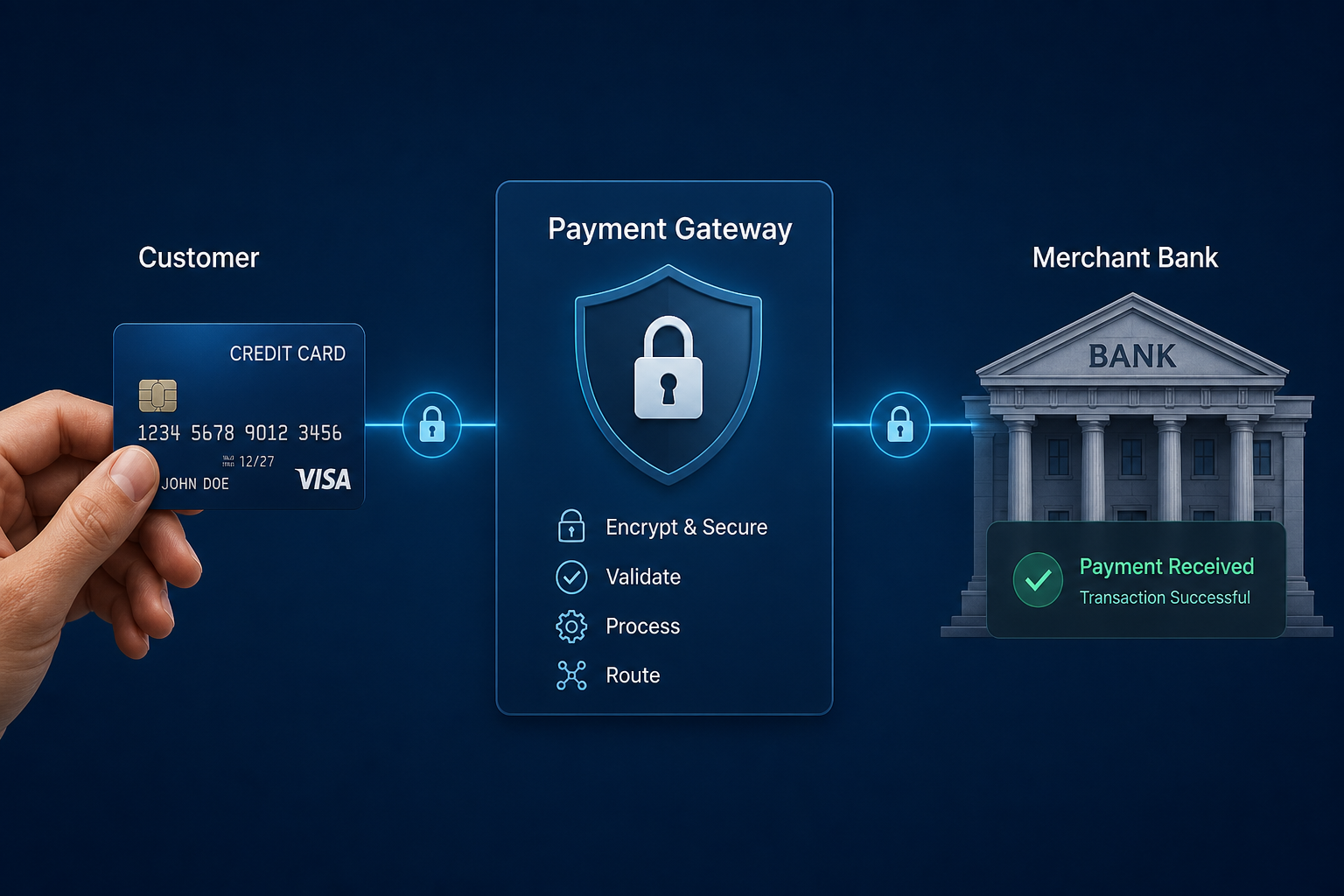
The customer enters their card details, the gateway encrypts them and sends them to the payment processor, which checks with the network (Visa, Mastercard) and the issuing bank whether the transaction can be approved.
If approved, the payment is authorised within seconds, but the funds only land in your account after a settlement period that varies from one to a few business days.
Why credit cards cost more than debit cards
Credit cards carry a higher credit risk for the issuing bank (the customer pays in instalments or at month's end), and this is reflected in higher interbank fees all along the chain.
Business cards and foreign cards often cost even more, due to additional risk management and currency conversion costs.
Where you can actually influence the cost
Negotiating the fee with your provider becomes more realistic as your volumes grow: always ask for a periodic review of your terms.
Some providers apply a fixed fee regardless of card type (blended rate), others a variable fee per card type (interchange++): the second is often cheaper if you work a lot with debit cards.
- Every card payment involves several parties: gateway, processor, network, issuing bank.
- Credit cards cost more than debit cards because of the credit risk they carry.
- Foreign and business cards almost always have higher-than-average fees.
- Always ask whether your provider uses a fixed or variable fee per card type: the difference affects your total cost.
- Never asking for the full fee structure by card type.
- Ignoring real settlement times, which affect your day-to-day cash flow.
- Not renegotiating terms when your volumes grow significantly.
Frequently asked questions
Because interbank fees vary by card type (debit, credit, business, foreign): each category carries a different risk and cost for the issuing bank.
Generally no, if your terminal or gateway supports that network and you've publicly agreed to accept card payments: selectively refusing can breach your contractual terms with your provider.
It depends on the provider: it ranges from near-instant settlement (T0) to standard timeframes of one or more business days (T1/T2).
Transparent fees on every card type
Daevon always shows you the full fee structure, with no surprises between debit, credit, or foreign cards.