










Chargeback: what it is, what it really costs you, and how to defend yourself
The customer already has your money. Now the bank gives it back to them, and you might even get hit with a penalty on top.
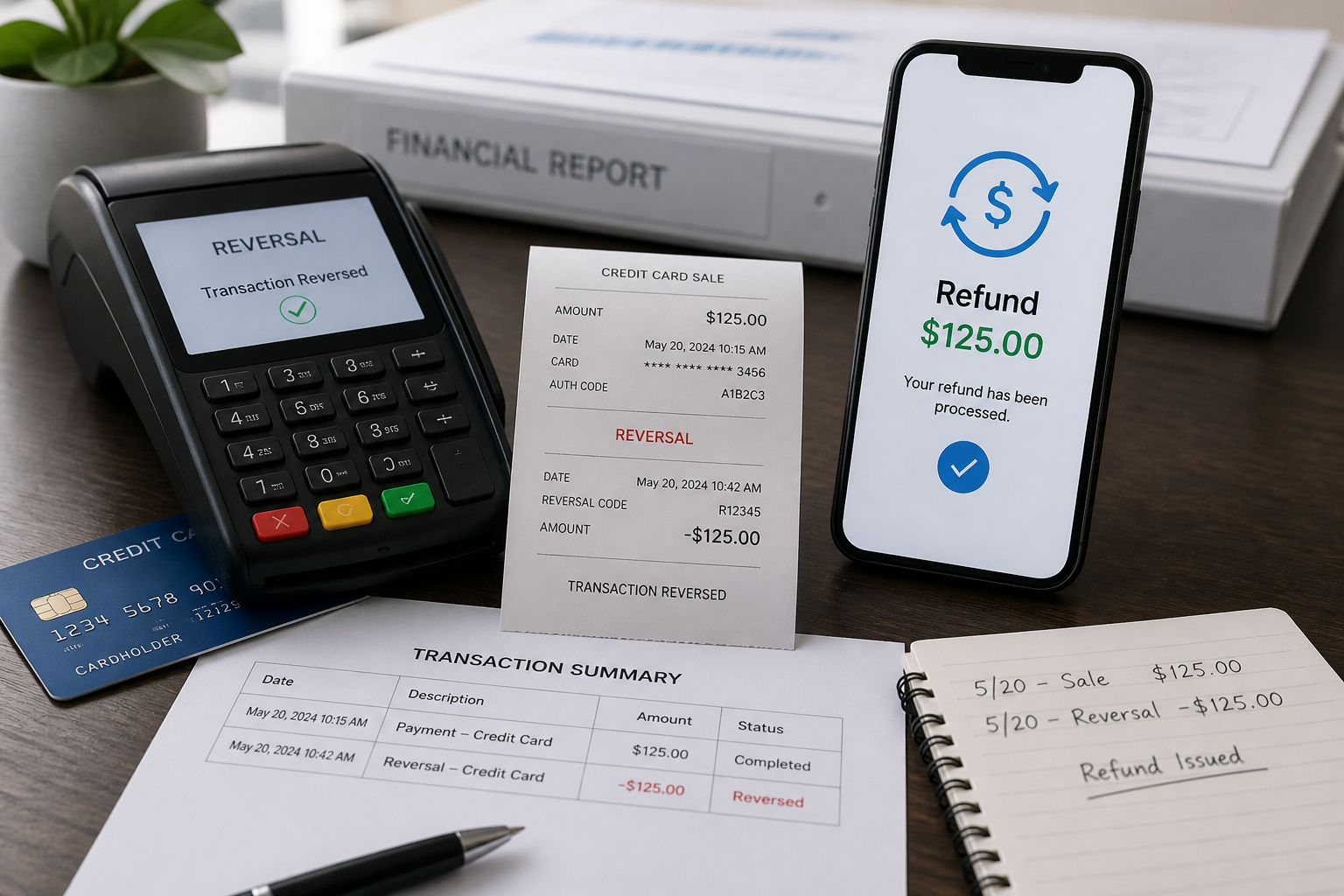
You sell a product, the payment goes through, everything looks settled. Then, weeks later, you get a notification: the customer has disputed the transaction with their bank, and the funds are returned automatically, often before you can say anything about it. This is a chargeback, and it's one of the least understood risks for anyone selling online.
What a chargeback really is
It's the forced reversal of a transaction, initiated by the cardholder through their own bank, not by the merchant.
The most common causes are: genuine fraud (stolen or cloned card), goods not received or not as described, or simply the customer not recognising the transaction.
What it really costs, beyond the refund
On top of losing the sale amount, most providers charge a fixed fee for every chargeback handled, regardless of the outcome.
A chargeback rate that's too high relative to your transaction volume can lead your payment provider to revise your contract terms, or in the most serious cases, close your account.
How to dispute a chargeback you believe is unfair
Always keep proof of delivery, communications with the customer, and order details: these are the elements you'll use to prove the transaction was legitimate.
Always respond within the deadlines set by your provider: once the deadline passes, you automatically lose the ability to dispute, regardless of how solid your case is.
Your dispute success rate improves with systematic documentation: if you sell online regularly, it's worth building a standard process for every order, rather than improvising case by case.
How to reduce chargeback risk from the start
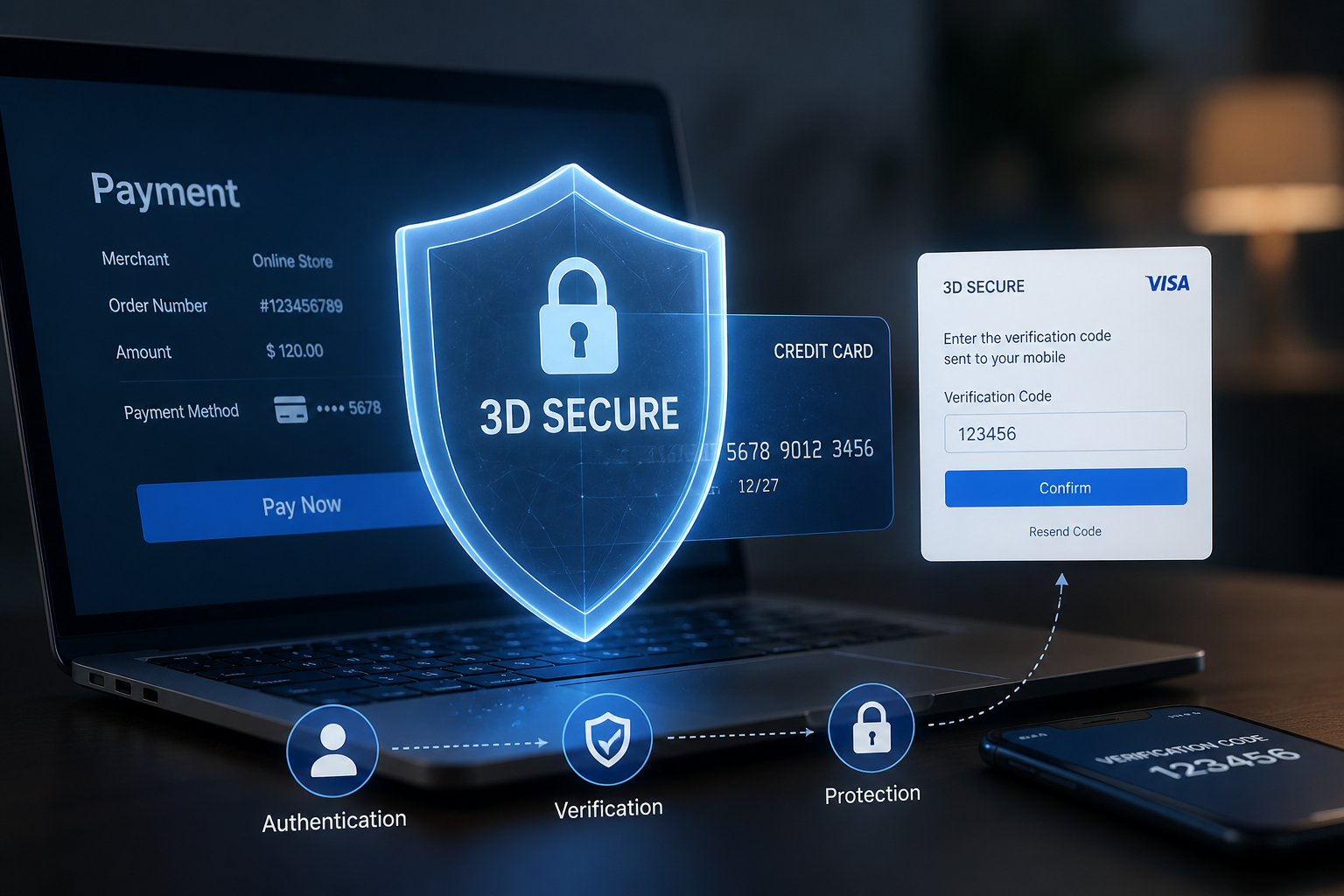
A well-implemented 3D Secure reduces disputes for genuine fraud, often shifting liability to the card-issuing bank.
Clear product descriptions and transparent refund policies reduce disputes for "product not as expected", by far the most avoidable cause.
- A chargeback is initiated by the customer through their bank, not by the merchant, and funds are often returned before any check.
- Beyond the refund, almost every provider charges a fixed fee for handling the chargeback.
- Keeping proof of delivery and communications is essential to dispute an unfair chargeback.
- 3D Secure and clear product descriptions reduce chargeback risk from the outset.
- Never keeping proof of delivery or communications with the customer.
- Missing the deadline to dispute a chargeback due to poor internal organisation.
- Ignoring a rising chargeback rate, risking consequences on your payment account.
Frequently asked questions
No, fraud is one of several possible causes of a chargeback, but not the only one: product not received or customer dissatisfaction are just as common.
No, the outcome depends on the issuing bank and the card network's rules: good evidence increases the odds of success, but doesn't guarantee the outcome.
It varies by provider and card network, but typically ranges from a few days to a few weeks: always check the specific terms communicated by your provider.
Reduce chargeback risk from your very first transaction
Daevon integrates advanced 3D Secure and dispute management tools, to protect your online sales.